

Primary Times - the definitive what’s on and where to go family guide of activities and events for children of primary school age. Things to do with your kids during the school holidays including arts and craft activities, music and theatre for children, parties, competitions, days out, and family attractions along with term time drama schools, dance classes, after school clubs and sports activities. Things to do at a place near you!


How Storytelling Can Calm Anxious Children
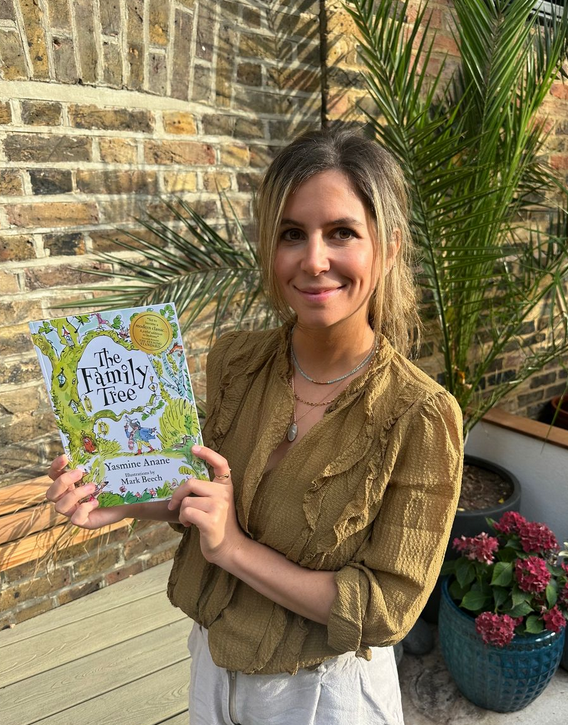 By Yasmine Anane, bestselling children’s author of The Family Tree and Whitney the Wasteater and the Wrong Bite
Bedtime can often be the hardest part of the day.
The lights go down, the noise fades, and suddenly all the feelings come rushing in.
A child who seemed fine all afternoon might become restless, emotional, or unable to settle. They ask for one more drink, one more cuddle, one more story. What looks like resistance is often something deeper. It is the moment their busy little minds finally slow down enough to feel everything they have been carrying.
Children do not process the world in the same way adults do. They do not yet have the words to explain what is bothering them, so those feelings often show up as overwhelm, clinginess, or difficulty settling. In a world that is increasingly fast, noisy and stimulating, these moments are becoming more common.
This is where storytelling becomes something much more powerful than we might realise.
Stories offer children a safe space to explore big feelings. When a child listens to a story, they are not being asked direct questions or put on the spot. Instead, they are gently invited into another world, where emotions can be experienced at a comfortable distance.
A nervous character, a moment of uncertainty, a problem that needs solving. These become ways for children to recognise feelings within themselves, without having to name them out loud. A story gives a child somewhere to place their feelings.
There is also something deeply calming in the rhythm of a well-told story. The predictability of familiar words, the gentle rise and fall of a parent’s voice, and the comfort of a known ending all help to regulate a child’s nervous system. Repetition, which adults sometimes tire of, is exactly what children seek. In hearing the same story again and again, they find reassurance, control and a sense of safety.
Just as importantly, storytelling creates connection.
In those quiet moments, with no distractions and no demands, a child has your full attention. That shared experience, sitting close, turning pages, following a story together, is often what helps them feel most secure.
As an author, this is something I think about deeply when writing for young children. When I wrote The Family Tree, I wanted it to feel like a story children could return to again and again. The rhythm is gentle and steady, the message reassuring, and the world calm and safe. It is not just about the story itself, but about how it feels to read it, especially at the end of a busy day.
Because often, it is not newness that children need. It is familiarity. It is knowing what comes next. It is hearing the same words, in the same voice, in a space that feels safe.
For parents looking to use storytelling as a way to support their child, it does not need to be complicated.
Reading the same book night after night is not a problem. It is a comfort. Slowing your voice down, rather than rushing through the pages, can make a noticeable difference. Letting your child pause, point things out, or ask questions helps them feel involved and in control of the experience. Even creating a small, consistent story moment each day can become something they come to rely on.
You do not need a perfect routine. You just need a few minutes of calm, connection and consistency.
In a world that can often feel loud and overwhelming, storytelling offers something beautifully simple. A familiar voice. A well-loved story. A quiet moment at the end of the day.
And sometimes, those small moments are the ones that help children feel safest of all.