




Primary Times - the definitive what’s on and where to go family guide of activities and events for children of primary school age. Things to do with your kids during the school holidays including arts and craft activities, music and theatre for children, parties, competitions, days out, and family attractions along with term time drama schools, dance classes, after school clubs and sports activities. Things to do at a place near you!


Supporting a smooth transition to secondary school
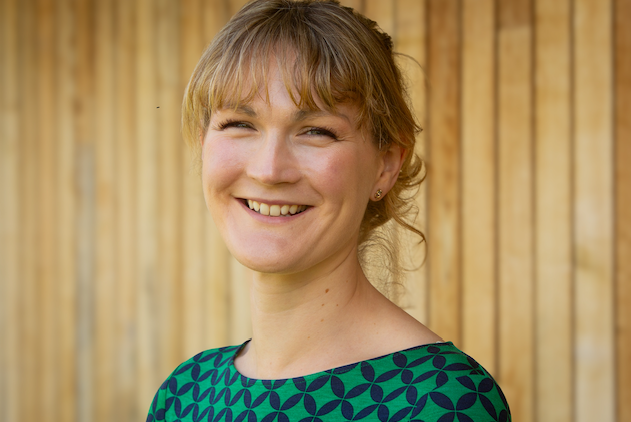 By Amy Prior, Deputy Head, Pastoral & Wellbeing, Cokethorpe School, Oxfordshire
Starting senior school is a big moment for any child. While we often focus on whether children are ready academically for this next stage, I believe one of the most important questions we can ask is whether they feel ready emotionally and socially.
After many years working with children and young people across both the state and independent sectors, I have seen how much difference confidence, resilience and a sense of belonging can make.
My training through the Mindfulness in Schools Project, linked to the University of Oxford, has also been incredibly helpful in understanding the wider picture. It has given me a greater understanding of how children respond to emotions and uncertainty, as well as practical ways to help them manage those feelings.
That is why, at Cokethorpe, we put an overnight camp at the heart of our First Form transition programme.
For some children, the idea of spending a night away from home with people they have only just met can sound daunting. But that is exactly why it can be so valuable.
Before the children have even started their first proper lessons, they have the opportunity to get to know one another through shared experiences. They climb, take part in water sports, tackle team challenges and generally have fun together. They eat together, share accommodation and spend time talking and laughing away from the classroom. These experiences can make a huge difference to ensuring a positive start to Year 7.
One of the biggest worries children have when starting a new school is whether they will make friends and where they will fit in. When you have already faced a challenge together, laughed at something together or helped each other through something new, walking through the school gates on that first morning can feel very different.
Instead of looking around a room full of strangers, children recognise familiar faces. They already have shared memories and people they can say hello to.
For children joining us from different primary schools, this is particularly important. An overnight camp gives everyone the chance to start afresh and build new friendships, rather than simply staying within the friendship groups they arrived with.
The experience is also valuable for staff. Seeing children outside the classroom gives us a much better understanding of who they are. We might see the child who naturally encourages others, the one who quietly hangs back, the child who is nervous about trying something new or the pupil who is very confident in some situations but needs a little more support in others.
These early observations help us get to know children as individuals and make sure the right support is in place from the very beginning.
The camp also gives children opportunities to experience manageable challenges. For some, that might mean climbing higher than they thought they could. For another child, it might simply be spending a night away from home for the first time.
The aim is not to push children into situations that feel overwhelming. It is about helping them discover that they can do things that initially feel difficult or unfamiliar, with the right support around them.
We can help them understand that feeling nervous before trying something new is perfectly normal. We can then help them think about what they can do with that feeling, rather than allowing it to stop them.
This is an important part of developing resilience. We cannot remove every difficult or uncomfortable experience from a child's life, nor should we try to. Instead, we need to give children the tools to navigate life and support them as they learn that they can cope with challenges for themselves.
The overnight camp is just one part of our wider approach to pastoral care, which includes tutor groups, one-to-one conversations and making sure pupils have a voice in their school experience. But it provides a wonderful starting point.
By the time the children begin their first lessons, they have already experienced something together. They know a little more about their classmates, their teachers know them a little better and, hopefully, they have begun to feel that this is a place where they belong.
For me, that is what a successful transition to senior school is really about.
Yes, children need to be ready for the academic challenges ahead. But they also need to feel safe, connected and confident enough to take part, make mistakes, ask for help and try something new.
If we can give children those foundations from the very beginning, we are giving them something that can support them throughout their school years and far beyond.