



Primary Times - the definitive what’s on and where to go family guide of activities and events for children of primary school age. Things to do with your kids during the school holidays including arts and craft activities, music and theatre for children, parties, competitions, days out, and family attractions along with term time drama schools, dance classes, after school clubs and sports activities. Things to do at a place near you!


The Science of Autumn
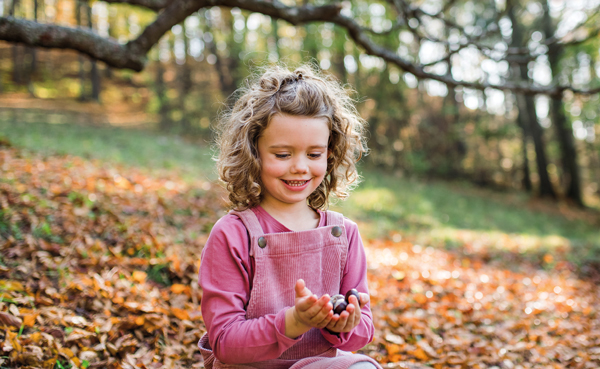 Primary Times explores the science behind autumn, with fun ways to discover the natural world together
From colourful leaves to the changing weather, autumn is bursting with science! It brings some fascinating changes to the world around us, but have you ever stopped to wonder why these things happen? This half term, head outdoors together and discover the fascinating science happening all around you.
A celebration of science
It’s the perfect time to look ahead to World Science Day for Peace and Development on 10th November. Created by UNESCO in 2001, the annual day highlights the important role science plays in society and our everyday lives, while encouraging people of all ages to engage with science. You don’t need a laboratory to be a scientist! Put on your wellies, head outside and see how many scientific discoveries you can make together.
Why do leaves change colour?
During spring and summer, leaves are packed with a green pigment called chlorophyll, which helps plants use sunlight to make food through photosynthesis. As autumn arrives, shorter days and cooler temperatures signal that winter is on its way. Chlorophyll breaks down and the green colour fades, revealing yellow and orange pigments in the leaves. Some trees can also produce red and purple pigments, creating the stunning colours we associate with autumn.
What happens to the weather?
Autumn is a season of change. As the Northern Hemisphere moves towards winter, the days become shorter and temperatures generally fall. Cooler air can hold less water vapour than warmer air, while changing weather systems can bring everything from crisp, sunny days to wind and heavy rain. Why not become weather scientists for the day and keep your own autumnal weather diary?
Where do the animals go?
This time of year is a busy time for wildlife, too. Some animals prepare for the colder months by collecting food, growing thicker coats or finding safe places to shelter. Other animals, like hedgehogs, enter hibernation, a state in which their body temperature, heart rate and breathing slow down so they can conserve energy when food is limited. Look carefully outdoors and you might spot signs that animals are getting ready for winter!
Fun autumn experiments!
Investigate leaves: Collect a few fallen leaves of different colours. Can you sort them by colour, shape or size? Use a magnifying glass to look closely at their veins and textures. Can you trace their outlines?
Make a rain gauge: Place a container somewhere safe and open outdoors and measure how much rain falls each day. Record your results and compare different days.
Track the temperature: Take the temperature outside at the same time each day for a week. What patterns can you spot?
Go on a wildlife hunt: Look for signs of autumn animals, such as acorns, conkers, nests, feathers, footprints or food stores. Can you work out which animal might have left each clue?
Become a wind detective: On a windy day, watch the leaves, clouds and trees to see which direction the wind is travelling. Can you find somewhere sheltered from the wind and somewhere more exposed?
Look closely, ask questions and get curious as a family – you never know what scientific discoveries you might make!