


Primary Times - the definitive what’s on and where to go family guide of activities and events for children of primary school age. Things to do with your kids during the school holidays including arts and craft activities, music and theatre for children, parties, competitions, days out, and family attractions along with term time drama schools, dance classes, after school clubs and sports activities. Things to do at a place near you!


KIDS ORAL HEALTH GOES DOWN THE PLUGHOLE AS PARENTS ACCEPT CHILDHOOD DECAY AS INEVITABLE
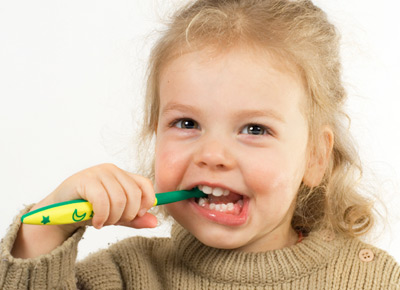 Tooth decay remains one of the most common chronic diseases of UK children, with a third of 5 year olds and nearly half of 8 year olds showing signs of decay in their primary teeth[2]. The condition is now so prevalent that almost a third of parents consider the condition acceptable
A new survey of parents of children aged 1-11 from Denplan, the UK's leading dental payment plan specialist, has revealed that almost a third (30%) of parents think that it is acceptable for a child to have experienced tooth decay before they have reached their teenage years[3].
According to the survey many parents try a multitude of methods to help their children manage their oral health effectively. However, 30% of parents surveyed state that they do not think it is unacceptable for a child to develop tooth decay due to the nature of controlling how effectively children clean their teeth.
Difficulties regulating children’s sugar consumption was also cited as a reason why many parents now accept decay. Over a quarter (26%) of parents surveyed admit this with a further 29% of parents surveyed considering incidence of the painful oral health condition to be pre-determined by a family history of oral health complaints and weak teeth.
Worryingly, more than 1 in 10 parents (14%) claim that they think that decay in children’s teeth is acceptable as all children will inevitably lose their milk teeth as they develop.
The new statistics come as the government announced introducing a sugar tax on the soft drinks industry that will come into effect by 2018[4]. Experts have long-petitioned for the tax to be introduced to help curb incidence of childhood obesity and tooth decay, the latter being the number one reason that children aged five to nine are admitted to hospital[5].
Denplan’s research suggests that the tax could be warmly welcomed by parents with almost half (45%) of parents surveyed claiming that they believe that tooth decay can be prevented by limiting the amount of sugar in a child's diet. A further 40% of parents believe that tooth decay can be prevented by ensuring that children regularly see their dentist for a check-up. Despite this, when asked what actions they take to prevent their child developing decay just 1 in 5 (18%) of parents said that they take their child to see the dentist once a year as soon as their first tooth appears.
Commenting on the research Dr Henry Clover, Chief Dental Officer at Denplan, said “It is clear that while parents have the best of intentions with their children’s dental health, it can be difficult to keep up good habits amongst a backdrop of hidden sugars in our foods and drinks and children’s reluctance to follow a good oral health routine. Milk teeth are not practice teeth and learning to care for their teeth on their own is a major milestone that every child has the potential to reach with the right guidance and plenty of practice. Children should be supervised when they brush their teeth until at least the age of seven, and it’s also important that they see their dentist regularly from when their first tooth appears to check for any problems that may be affecting their oral health and make sure that they are cleaning their teeth effectively.’’
In light of the research findings, Denplan is encouraging families to take part in the Big Summer Brush-Up, making the most of the summer holidays to visit the dentist and spend time practising brushing techniques with their children. Working with five families, Denplan has also developed ‘Denplan’s Little Book of Healthy Smiles’, containing handy advice from dentists and tips on how to enthuse unwilling children to brush up on cleaning teeth, written for parents by parents.
To find out more about managing your family’s oral health visit www.bigsummerbrushup.co.uk or see your local Denplan dentist.
[2] HSCIC Children’s Dental Health Survey 2013, www.hscic.gov.uk/catalogue/PUB17137/CDHS2013-Executive-Summary.pdf
[3] Onepoll survey of 2,000 participants conducted in February 2016
[4] http://www.mirror.co.uk/news/uk-news/queens-speech-confirms-sugar-tax-7996176
[5] https://www.rcseng.ac.uk/fds/policy/documents/fds-report-on-the-state-of-childrens-oral-health